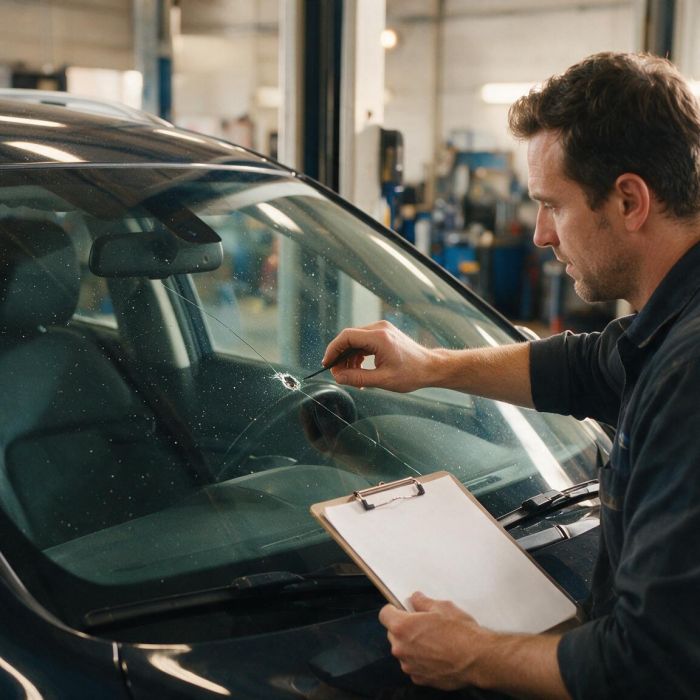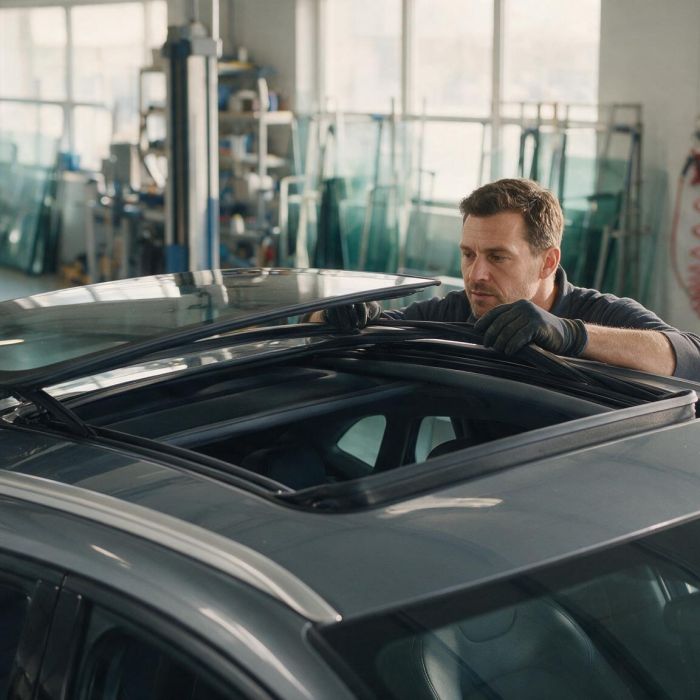


Ask for a windshield quote and you will hear three words fast: OEM, OEE and aftermarket. The price gap between them can be significant, so it is worth understanding what you are actually paying for, and when the cheaper option is a perfectly smart choice.
What the labels actually mean
OEM
Original Equipment Manufacturer. Built to the automaker’s spec, stamped with its logo, identical to the glass your car left the factory with.
OEE / aftermarket
Original Equipment Equivalent. Often made by the same glass makers on parallel lines, to the same dimensions, sold without the automaker branding.
Dealer glass
The same OEM part, purchased through the dealership network. Same product, extra intermediary.
The safety floor is the same for everyone
Every windshield legally sold in Canada, OEM or aftermarket, must meet federal motor vehicle safety standards for glazing materials and carry the certification markings etched in the corner of the glass, the little block of codes installers call the bug. Laminated construction, optical quality and strength requirements apply to all of them. In other words, a properly certified aftermarket windshield is not a lesser windshield in the eyes of the law.
Where real differences show up
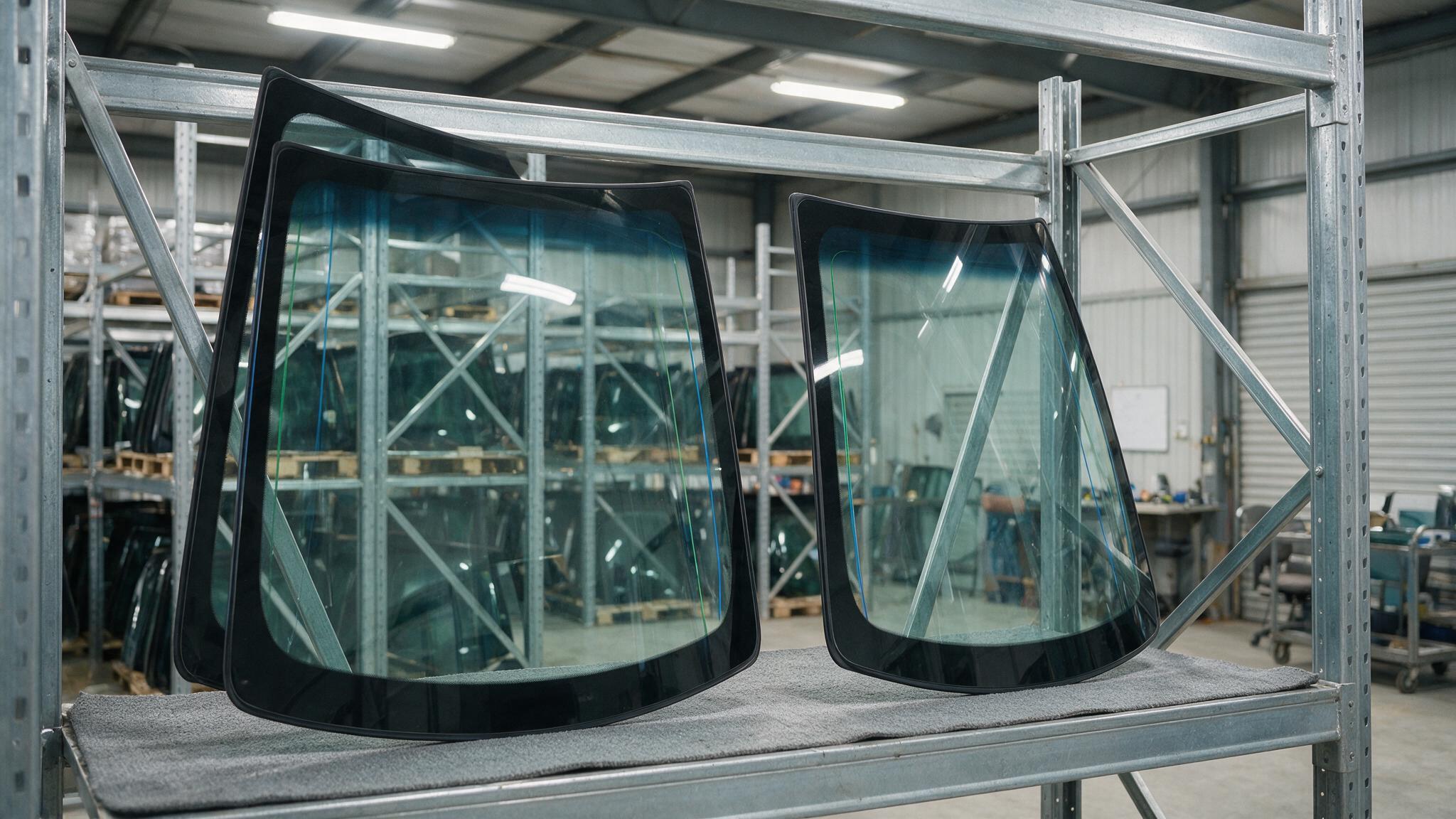
What you can notice between an OEM panel and a budget aftermarket one: the exact shade of the tint band, the presence of an acoustic interlayer on quiet luxury models, a head-up display wedge layer, heating elements, and how precisely brackets and mouldings line up. On vehicles with a windshield camera, glass optical quality also matters because the ADAS camera reads the road through it, and every replacement ends with a recalibration regardless of the brand of glass. This is why we match the glass to the car: a base model commuter and a HUD-equipped SUV do not need the same panel.
Which one should you choose?
Aftermarket makes sense
- You are paying out of pocket
- Older or higher-mileage vehicle
- No HUD, no acoustic package
- You want the best value that still meets certification
OEM is worth considering
- Leased vehicle with return conditions
- Head-up display or acoustic glass
- Luxury or collector vehicle
- Your insurer covers the OEM part
The insurance angle
When a claim is involved, many policies pay for equivalent aftermarket glass by default, and some let you pay the difference for OEM if you prefer it. CAA-Québec covers how glass claims and coverage generally work in Quebec. Before deciding, ask your insurer what your policy specifies, then ask us what we would put on your specific vehicle. We will give you a straight answer either way, through our windshield replacement service.
Not sure which glass fits your situation?
Send us your vehicle details and we will quote both options, with an honest recommendation.
This article is general information, not legal or insurance advice. Coverage varies by policy and vehicle, so confirm with your insurer or ask us for an exact quote.