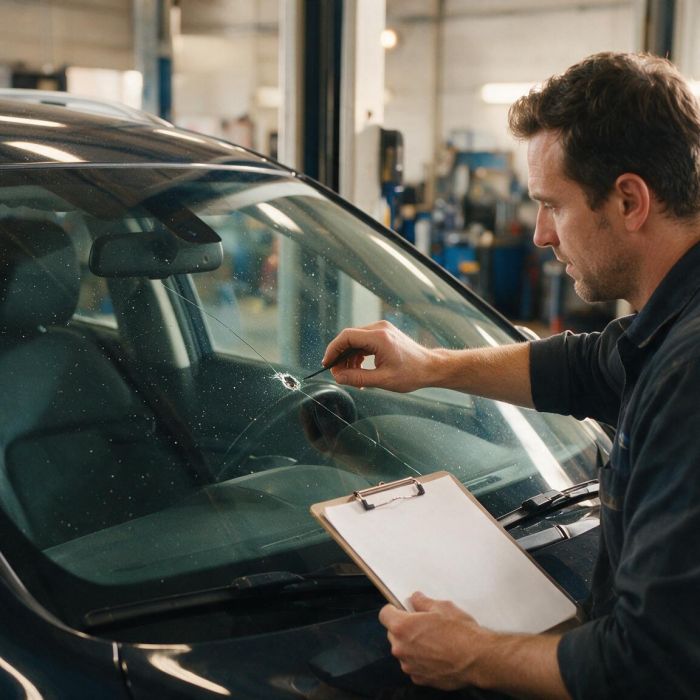


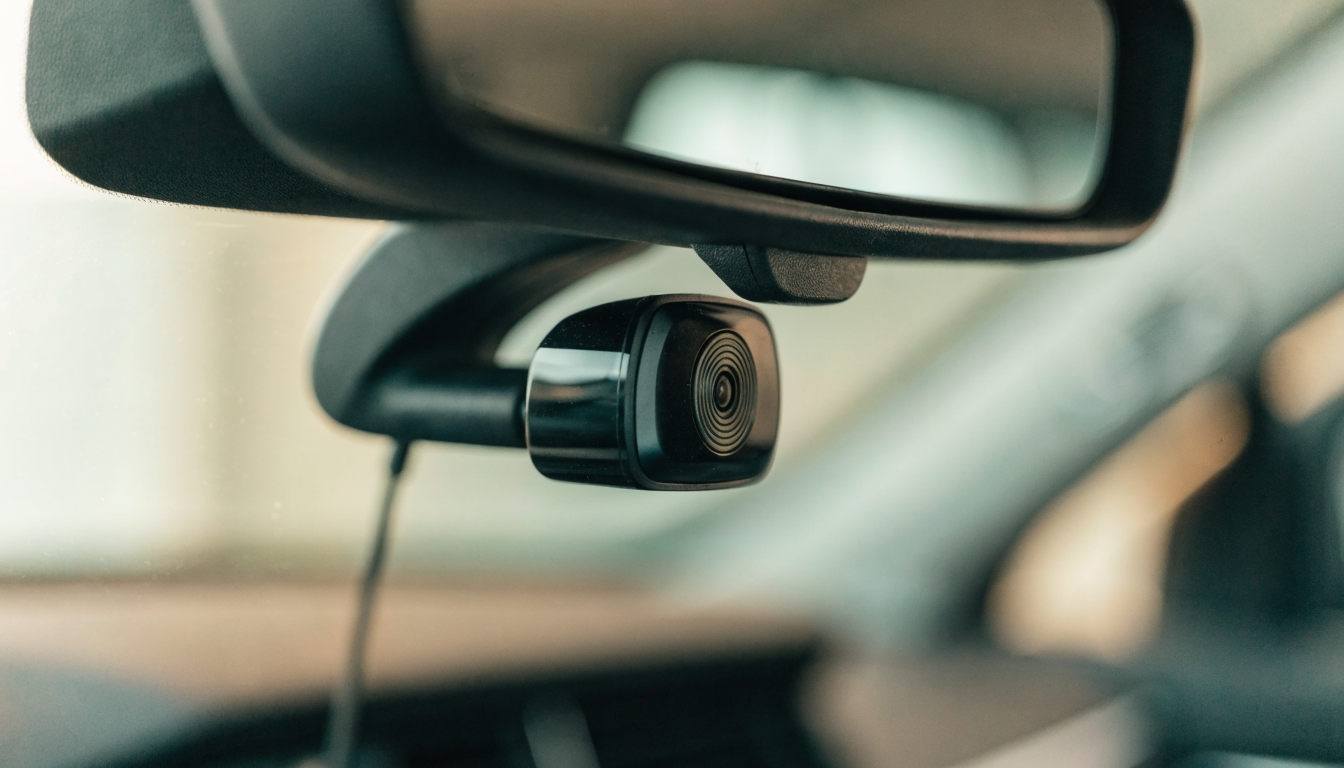
If your car brakes on its own or nudges you back into your lane, a small camera behind the windshield is doing that work. Replace the glass and that camera has to be recalibrated, or those systems can quietly misread the road.
What ADAS actually does
Lane keeping
The camera reads lane lines and helps steer you back if you drift.
Automatic braking
It watches the car ahead and can brake before you react.
Adaptive cruise
It keeps a set distance from traffic using the same forward camera.
Collision warning
It alerts you when you are closing on an obstacle too fast.
Why calibration is required
The camera aims through a precise spot on the glass. A shift of a single millimeter at the windshield becomes meters of error far down the road, so after the glass is replaced the camera has to be re aimed to the manufacturer target. These systems fall under Transport Canada motor vehicle safety standards.
Some vehicles calibrate with a target board in the shop, some need a road drive with diagnostic gear, and some require both. That is why calibration is a real part of the job, not a quick add on.
Do not skip it
An uncalibrated system can brake late, read the wrong lane, or fail when you need it. Beyond safety, driving with disabled safety features can raise liability questions. We calibrate in house as part of your windshield replacement, so your car leaves ready. Learn more on our ADAS calibration page.
Getting a windshield on a newer car?
Ask us if your vehicle needs ADAS calibration. We check, replace and recalibrate in one visit.
This article is general information, not legal or insurance advice. Coverage varies by policy and vehicle, so confirm with your insurer or ask us for an exact quote.